
Bankruptcy Questions Answered: How Long Does Bankruptcy Stay On Your Credit Report?
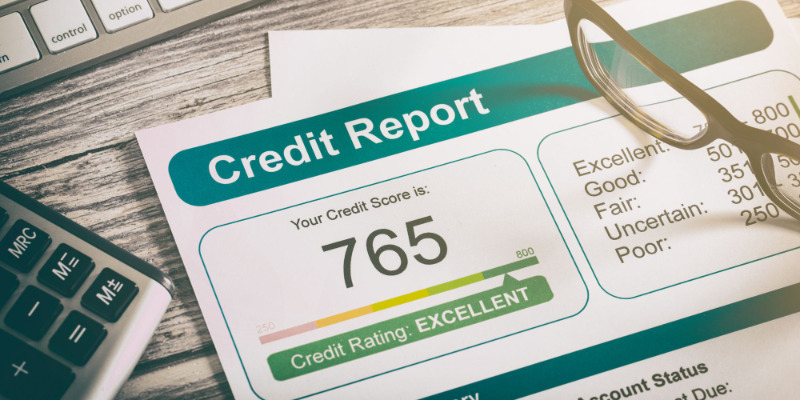
Bankruptcy definitely impacts your credit score initially, but it doesn't negatively affect your credit forever. It’s true that bankruptcy can remain on a credit report for years. But it’s also true that you can immediately begin to rebuild your credit. Let’s get into what you need to know if you are planning to file for bankruptcy in Ohio.
Bankruptcy and Your Credit Report
If you find yourself in a financial situation that is best resolved through bankruptcy, you’re likely concerned about your long-term financial future. Your credit report is a key part of that equation. From renting an apartment to buying a car, home, or even taking out an insurance policy, your credit report and score can have an outsized impact on your life in the years following your bankruptcy. How long a bankruptcy impacts your credit score is determined mostly by the type of bankruptcy you file, though other factors can also come into play. This period is generally measured from the bankruptcy filing date, not the discharge date, and it will last several years.
Chapter 7 Bankruptcy
Chapter 7 bankruptcy, also known as liquidation, is the process by which the court-appointed trustee pays creditors using your available assets that are not listed as exemptions under bankruptcy law. Proceeds go towards your accrued debt, though they are not likely to cover all debt, and so most remaining debts are simply discharged–you are no longer legally obligated to repay them. Some debt cannot be discharged in any form of bankruptcy.
The typical process for a chapter 7 bankruptcy lasts roughly 3-6 months’ time. However, bankruptcy will continue to be listed on your credit report for years. This alerts potential creditors to your financial past and could cause wariness, but you can take steps to repair your credit. A chapter 7 bankruptcy is automatically removed from your credit report 10 years after the date you filed.
Chapter 11 Bankruptcy
Chapter 11 bankruptcy is a form of debt reorganization for businesses or individuals with debts that surpass the limits of chapter 13. Filing for a chapter 11 bankruptcy can help a viable business to stay open and continue to function while downsizing operations, reducing expenses, and renegotiating debts. The timeline is more flexible, and allows a bankruptcy to proceed for longer than the 3-5 year repayment period in a chapter 13 bankruptcy. A chapter 11 bankruptcy is automatically removed from your credit report 10 years after the date you filed.
Chapter 13 Bankruptcy
Chapter 13 bankruptcy, also known as reorganization, instructs your bankruptcy attorney to consider the wages you earn regularly and formulate a plan for debt repayment that will not be too much a burden to fulfill. The court-appointed trustee and judge will sign off on this typically 3 or 5 year plan, and may involve repayment of all or part of your debt. Chapter 13 bankruptcy is automatically removed from your credit report seven years after the date you filed. This slightly reduced timeframe is thanks to your dedicated repayment efforts. However, in the meantime, it can still negatively affect your credit report, though you can actively work to repair your score.
How Does Bankruptcy Impact Credit?
Bankruptcy will undeniably impact your credit for the worse at the outset, but the severity will vary. For instance, someone who had a very high score before filing could expect to see a huge drop after bankruptcy, while someone who already had a low score may see a comparatively small drop–it truly is relative. Another key factor to keep in mind is that the more accounts you have included in your bankruptcy filing, the more of an impact the process will have on your score overall. In either case, while your credit score sits at a number that’s less than ideal, it can hinder you from achieving your goals and moving forward in life.
How Can You Rebuild Credit After Bankruptcy?
While initial impacts to your credit score are out of your hands, how bankruptcy will affect your credit score in the long term has a lot to do with how you handle your finances following the bankruptcy. After you’ve worked with your trusted bankruptcy attorney to ensure that your credit history is accurate, you can work on building good habits and utilizing available financial tools to quickly regain firm financial footing. And as time passes, the negative impact of the bankruptcy will significantly lessen. While it may take years to get back to where you’d like to be, you can still reach a score that allows you to acquire the necessities of life, like a home, a vehicle, and more, like finding a better job, or securing financing for major purchases or education. At Hausen Law, our 720 Credit Repair Program aims to help you recover financially in less than two years’ time.
Bankruptcy Questions Answered By an Ohio Bankruptcy Lawyer
If you are facing down debt but are worried about what the future may hold if you decide to file for bankruptcy in Ohio, it’s time to consult with an Ohio bankruptcy lawyer. Our professional and experienced bankruptcy attorneys can explain the bankruptcy process, as well as answering additional questions about your specific debts and concerns. Declaring bankruptcy is a major decision, and it can have a big impact on your credit, but the effects won’t last forever. With time and consistent good credit habits, you can build a healthy credit history once more.
Concerned about how bankruptcy could affect your credit? Hausen Law can help. You will work with an experienced chapter 7 bankruptcy lawyer who can help you to determine whether chapter 7, chapter 11 or chapter 13 bankruptcy is best in your situation.
Hausen Law is happy to serve all of Northeast Ohio, including the Akron, Canton, Cleveland, Columbus, Dayton, Cincinnati and Youngstown communities. Contact us today to set up a free consultation or to inquire about our credit counseling and credit repair programs. We can help you to successfully navigate through bankruptcy and forge a clear path forward.
The information in this post is for educational purposes only. It should not be interpreted as legal advice.
Contact Us
For more information please fill out the form below.
(*) - Required field